Room Soundproofing Services for Property Owners
Visitors will learn how local contractors can improve room soundproofing and how to compare service providers in their area.
- - Residential property owners seeking to reduce noise transfer between rooms or apartments.
- - Commercial spaces aiming to improve privacy and sound quality in offices, conference rooms, or studios.
- - Contractors and service providers specializing in soundproofing solutions for various building types.
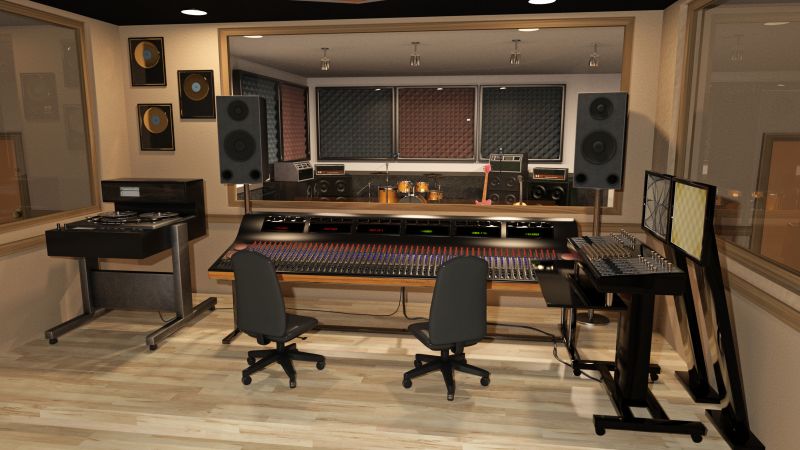
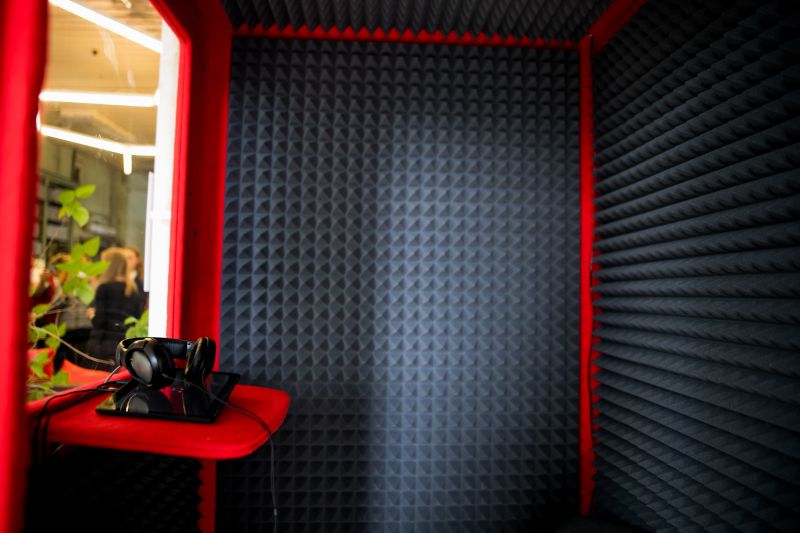
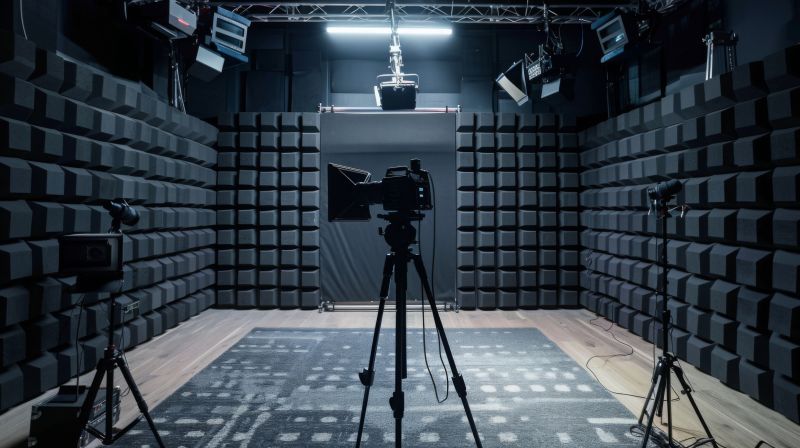
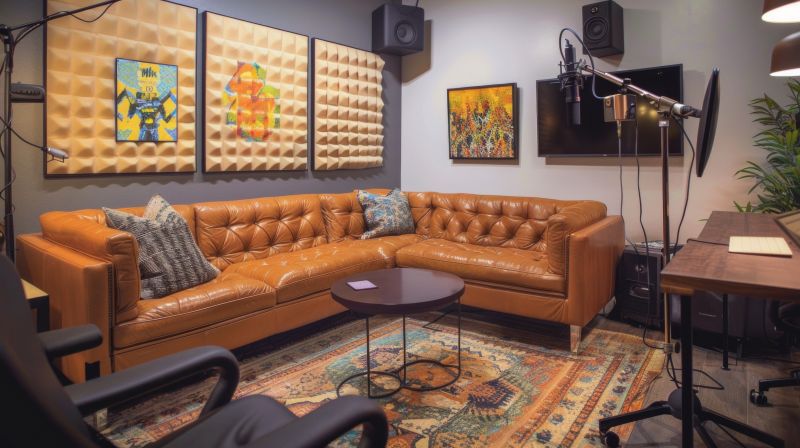
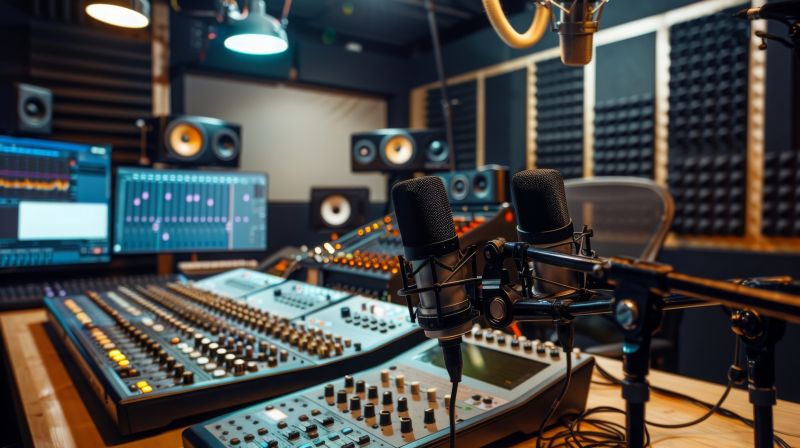
Room soundproofing services involve techniques and materials used to reduce noise transmission between spaces within a property. Property owners often seek these services to create quieter environments in bedrooms, home offices, recording studios, or shared living areas. Local contractors specializing in soundproofing can assess the specific needs of each space, recommend appropriate solutions, and handle installation or modifications to improve acoustic privacy and comfort.
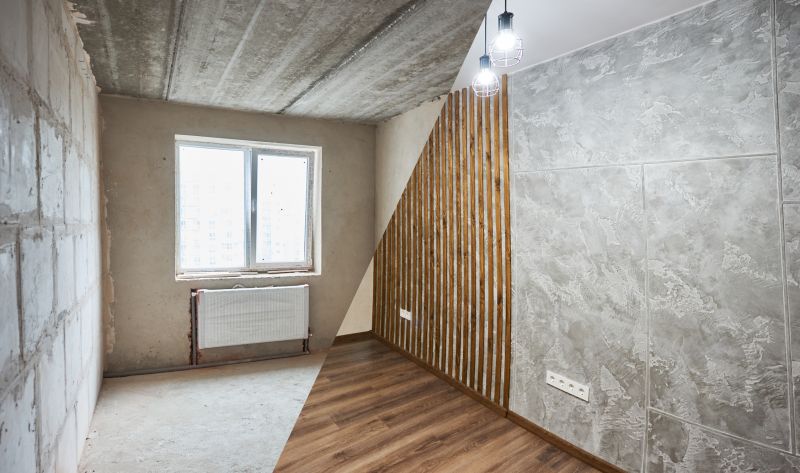
Connecting with experienced local service providers ensures that property owners receive tailored soundproofing solutions suited to their unique situations. These professionals typically handle tasks such as installing soundproof barriers, adding insulation, or upgrading existing walls and ceilings. By comparing local options, property owners can find the right professionals to help achieve a quieter, more private environment in their homes or commercial spaces.
This guide provides an overview of room soundproofing options to help visitors understand the different approaches available. It assists in comparing local service providers so users can find experienced contractors suited to their needs. By outlining key considerations, the guide helps visitors prepare to discuss their project with qualified local professionals.