Reliable Insulation Installation to Enhance Indoor Climate
Insulation installation services encompass a variety of methods including spray foam, blown-in, batt, rolled, and reflective insulation options. Spray foam provides high R-values and air sealing capabilities, making it suitable for complex spaces. Blown-in insulation is effective for filling irregular cavities and attics, offering comprehensive coverage. Batt and rolled insulation are common for walls and floors, providing straightforward installation. Reflective insulation helps reduce heat transfer through radiant barriers. Proper installation enhances energy efficiency, reduces utility costs, and improves indoor comfort. Different insulation types suit various building needs and budgets, making professional installation vital for optimal performance. Ensuring correct installation techniques guarantees the insulation performs as intended and maintains its effectiveness over time.
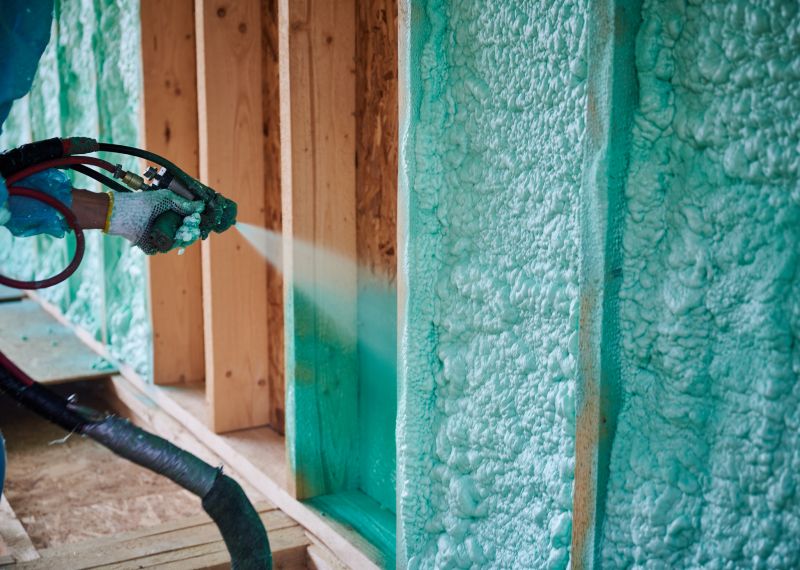
Spray foam insulation expands to fill gaps, providing excellent air sealing and thermal resistance.
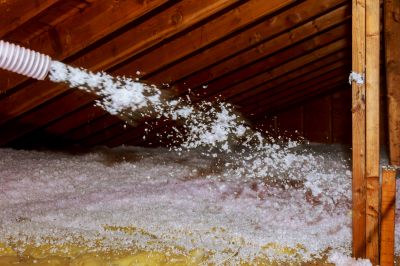
Blown-in insulation is ideal for attic spaces and irregular cavities, offering comprehensive coverage.
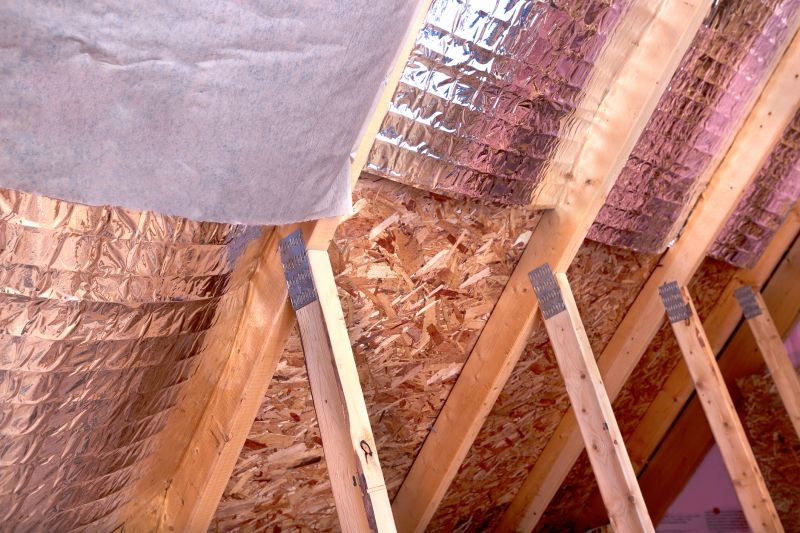
Reflective insulation reduces radiant heat transfer, enhancing energy efficiency.
| Benefit | Description |
|---|---|
| Energy Efficiency | Proper insulation reduces energy loss, lowering heating and cooling costs. |
| Comfort | Insulation maintains consistent indoor temperatures for enhanced comfort. |
| Noise Reduction | Insulation helps dampen sound transmission between rooms and from outside. |
| Cost Savings | Reduced utility bills result from effective insulation performance. |
| Property Value | Upgraded insulation can increase the value of a property. |
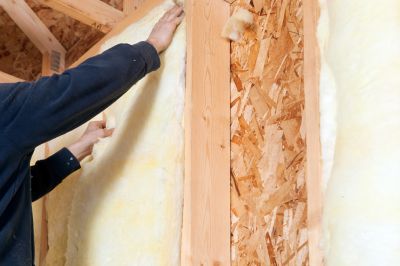
Batt insulation is commonly used in walls and floors for straightforward installation.
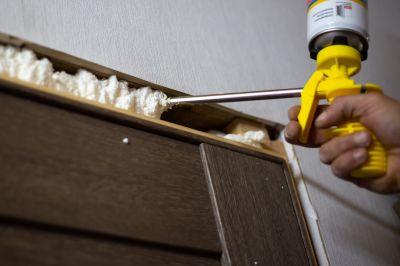
Spray foam is applied with specialized equipment to create an airtight seal.
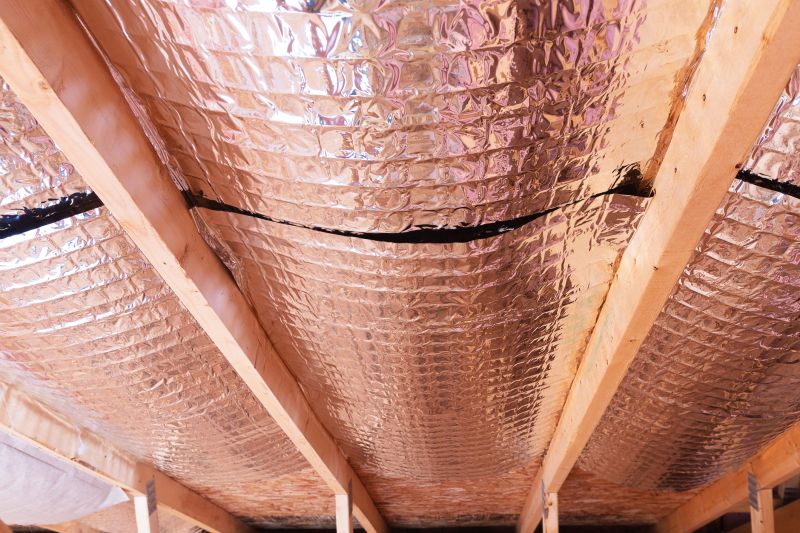
Reflective panels are installed to reflect radiant heat away from living spaces.
The process of insulation installation begins with an assessment of the space to determine the most suitable insulation types and quantities. Preparation involves clearing the area and sealing any existing gaps or leaks to maximize effectiveness. Installation methods vary depending on the insulation type; spray foam requires specialized equipment and precise application, while batt and rolled insulations are fitted into wall cavities or attics. Blown-in insulation is installed using a machine that disperses the material evenly throughout the space. Reflective insulation is typically installed in attics or walls, often with an air gap to maximize performance. Proper installation ensures insulation performs as intended, providing consistent thermal resistance and energy savings. The process concludes with inspection to verify coverage and quality, ensuring long-term durability and efficiency.
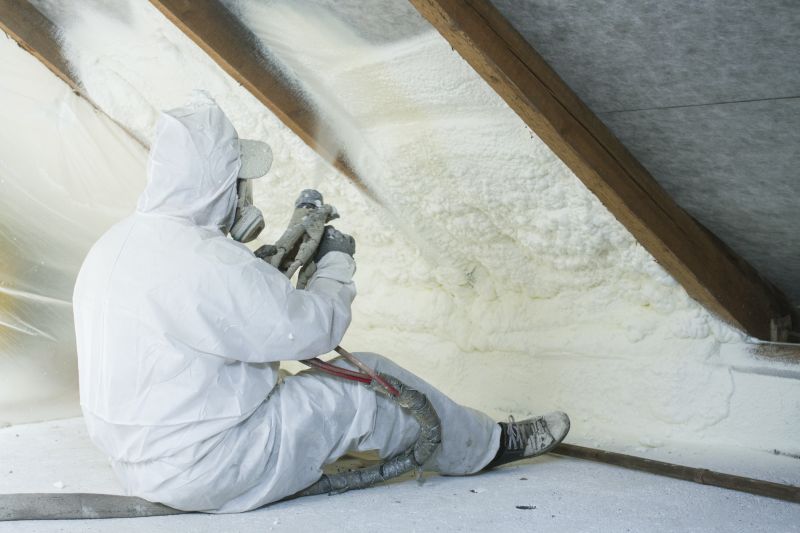
Professional insulation in attic spaces ensures comprehensive coverage and sealing.
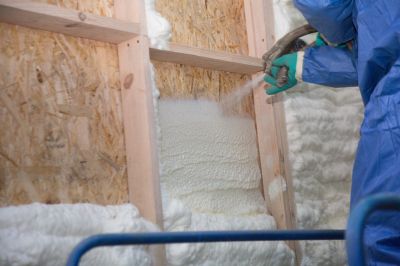
Walls are carefully filled with batt or spray foam insulation for optimal thermal performance.
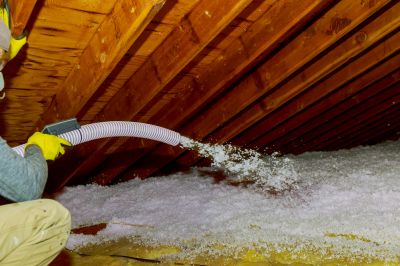
Blown-in insulation is evenly dispersed to fill cavities and irregular spaces.
Hiring a professional for insulation installation guarantees proper application, safety, and compliance with building standards. Experienced installers understand the nuances of different insulation materials and can recommend the best options for specific spaces. Proper installation prevents issues such as gaps, compression, or inadequate coverage that can compromise insulation performance. Professionals also utilize specialized equipment to ensure consistent and thorough application. This expertise reduces the risk of future problems like moisture buildup or thermal bridging. Investing in professional installation maximizes the benefits of insulation, leading to improved energy efficiency and indoor comfort over time. Skilled installers can also identify and address potential issues during the process, ensuring a high-quality result.
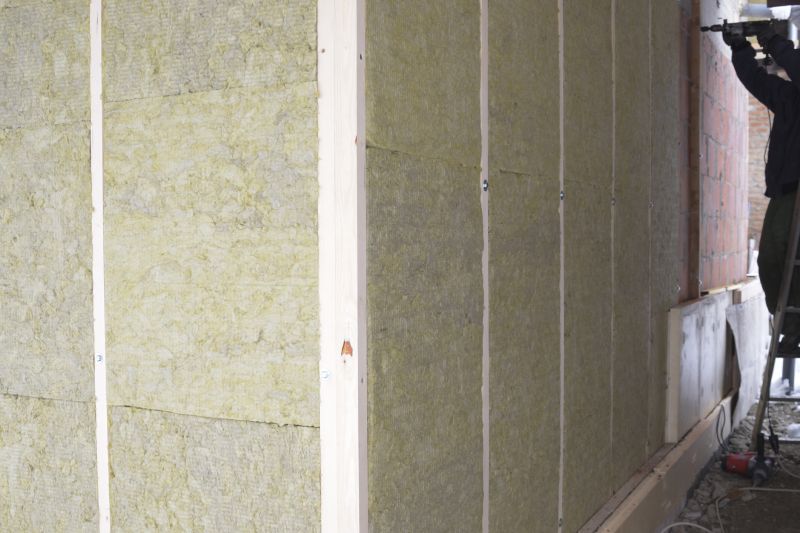
Professional installers inspect the work to ensure proper coverage and quality.
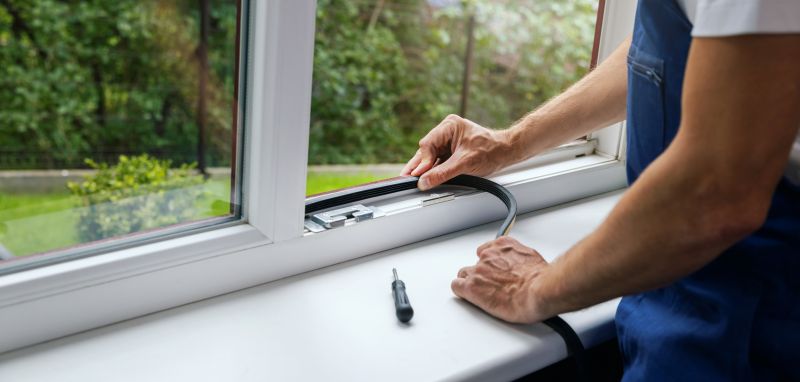
Experts identify and seal gaps to improve insulation effectiveness.
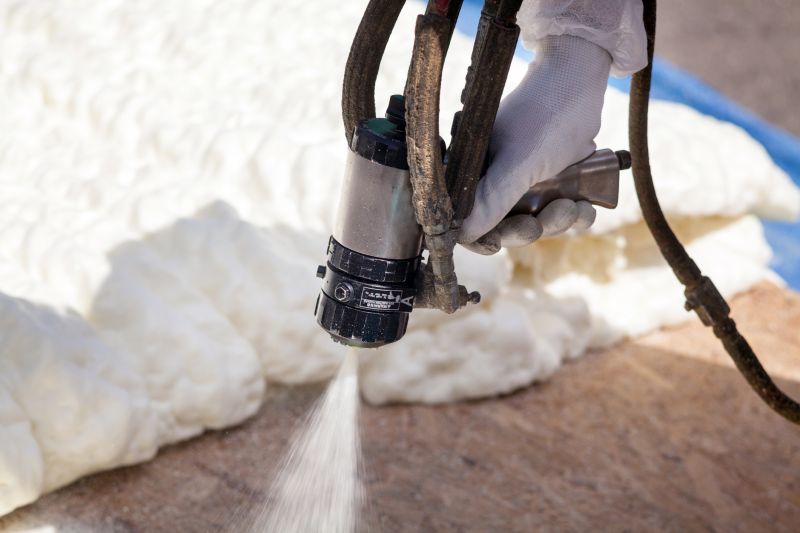
Specialized tools and equipment are used for precise insulation application.
Engaging a professional for insulation installation provides assurance of quality and adherence to best practices. Experienced installers ensure that all areas are properly insulated, reducing the risk of thermal leaks and energy waste. Their knowledge helps avoid common mistakes such as compression or improper sealing, which can diminish insulation performance. Professional installation also ensures safety standards are met, especially when working with spray foam or other chemicals. The result is a more comfortable indoor environment and potential energy savings. Properly installed insulation maintains its effectiveness over time, providing long-term benefits. Expertise in installation techniques and material handling makes a significant difference in achieving optimal results.

Proper tools and equipment are essential for effective insulation application.
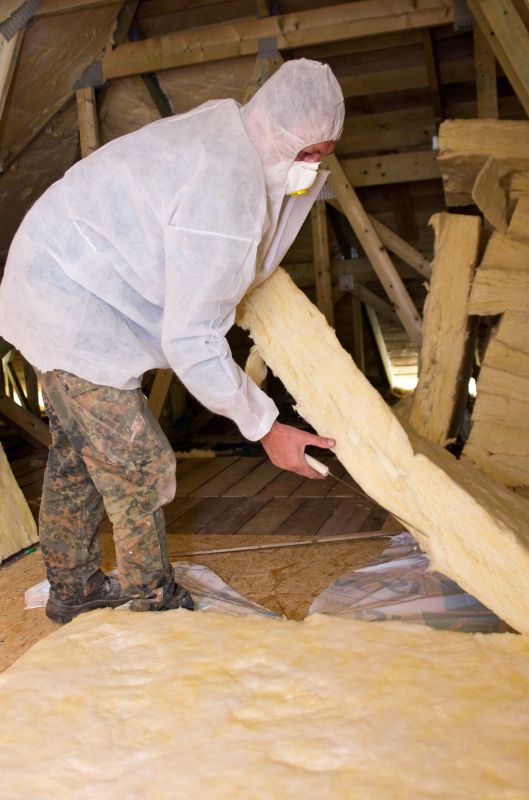
Skilled installers ensure thorough and precise insulation coverage.
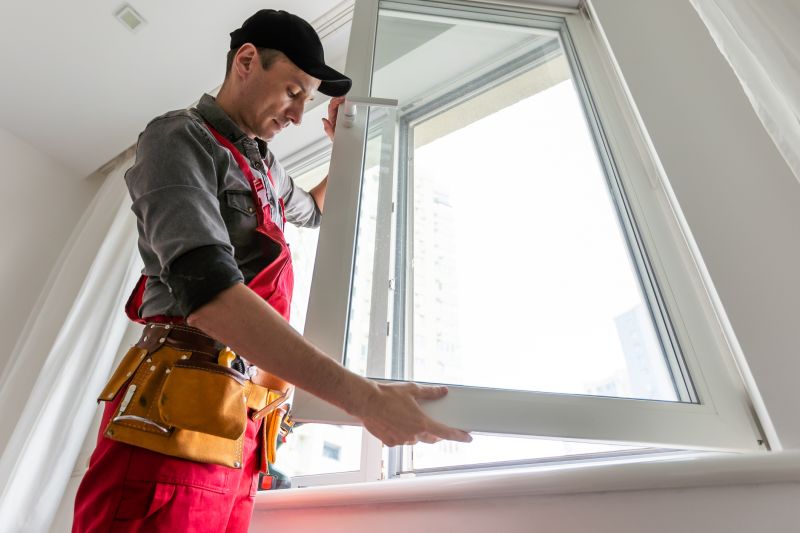
High-quality installation results in improved energy efficiency and comfort.
For optimal insulation performance and energy savings, it is recommended to contact qualified professionals for installation services. Proper installation not only enhances comfort but also ensures the longevity and effectiveness of insulation materials. A professional approach guarantees that the insulation meets the highest standards and provides the best value for the investment.
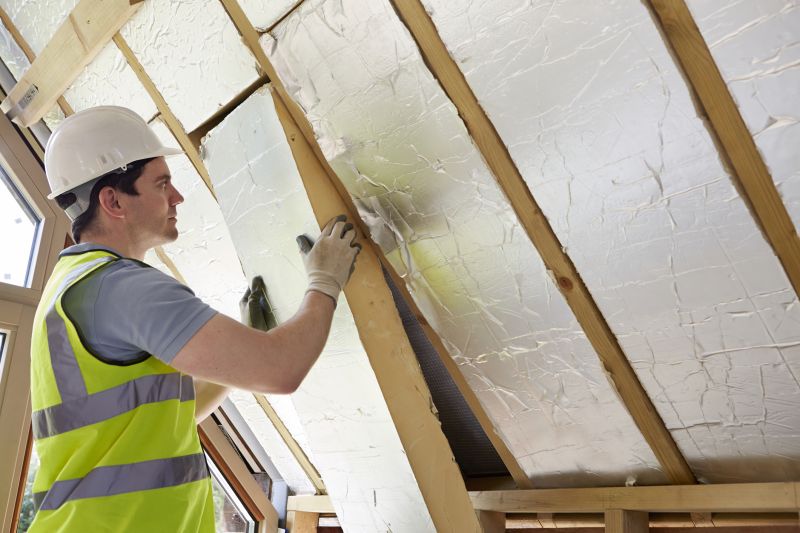
Proper storage of insulation materials ensures quality and readiness for installation.
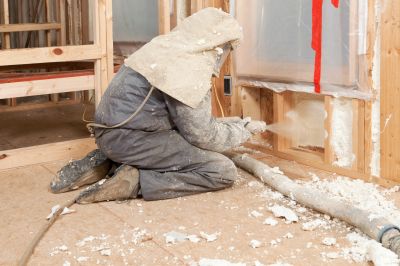
A clean and organized worksite facilitates efficient and safe installation.
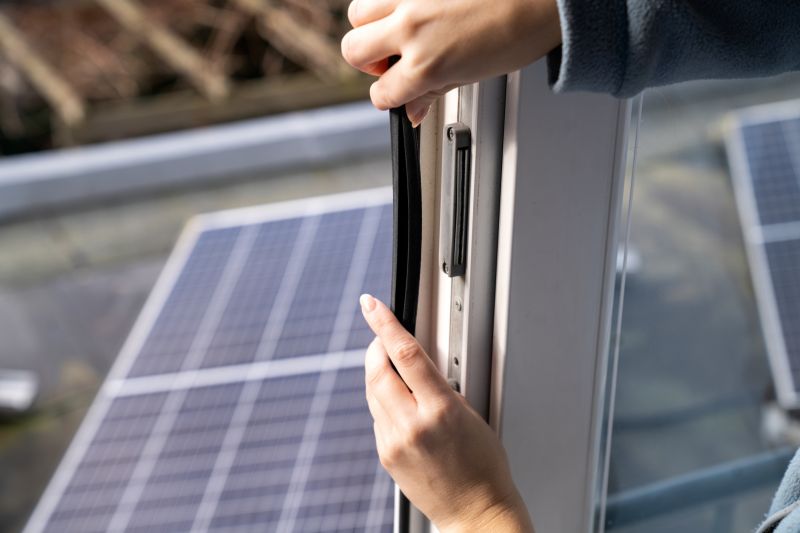
Completed insulation projects showcase professional quality and attention to detail.
Interested in improving your property's energy efficiency and comfort? Fill out the contact form today to receive a quote for professional insulation installation services. Expert installation can make a significant difference in your energy bills and indoor environment.